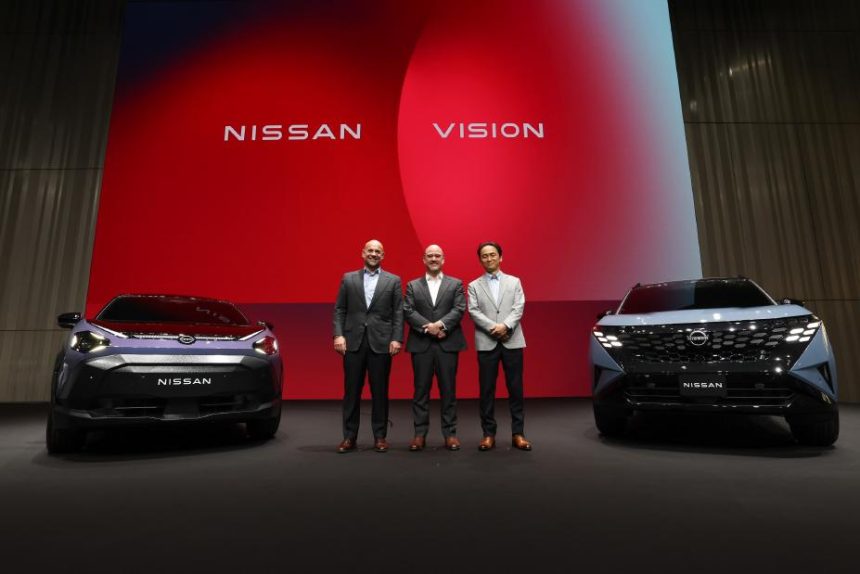
Under this new direction, the brand is placing customer experience at the heart of everything, with a strong focus on artificial intelligence, electrification, and a simplified global strategy designed to boost competitiveness.
A New Era of Intelligent Vehicles
At the core of Nissan’s future plans is the development of AI-powered vehicles, designed to make driving safer, smarter, and more intuitive.
The company aims to introduce its advanced AI driving systems across the majority of its future lineup, integrating intelligent features that enhance both safety and convenience. These systems will work alongside digital assistants capable of interacting with drivers and supporting their daily routines.
This shift signals Nissan’s ambition to transform cars into connected, intelligent companions rather than just means of transportation.
Electrification Expands Across the Lineup
Nissan is also accelerating its electrification strategy, offering a wider range of powertrain options to suit different markets and driving needs.
A key part of this approach is the continued development of e-POWER technology, which delivers an electric driving feel without requiring external charging. Alongside this, Nissan plans to expand its offerings with:
- Traditional hybrids
- Plug-in hybrids
- Fully electric vehicles
This diversified strategy ensures flexibility while supporting the global transition toward cleaner mobility.
A Leaner, More Focused Vehicle Portfolio
As part of its transformation, Nissan is streamlining its global lineup, reducing the total number of models while improving efficiency and clarity.
Each model will have a clearly defined role within four main categories:
- Flagship models that represent the brand’s identity
- Core vehicles that drive global sales volume
- Growth models targeting emerging opportunities
- Collaborative models developed through strategic partnerships
This approach allows Nissan to focus investment on high-potential products while improving overall performance.
Key Models Shaping the Future
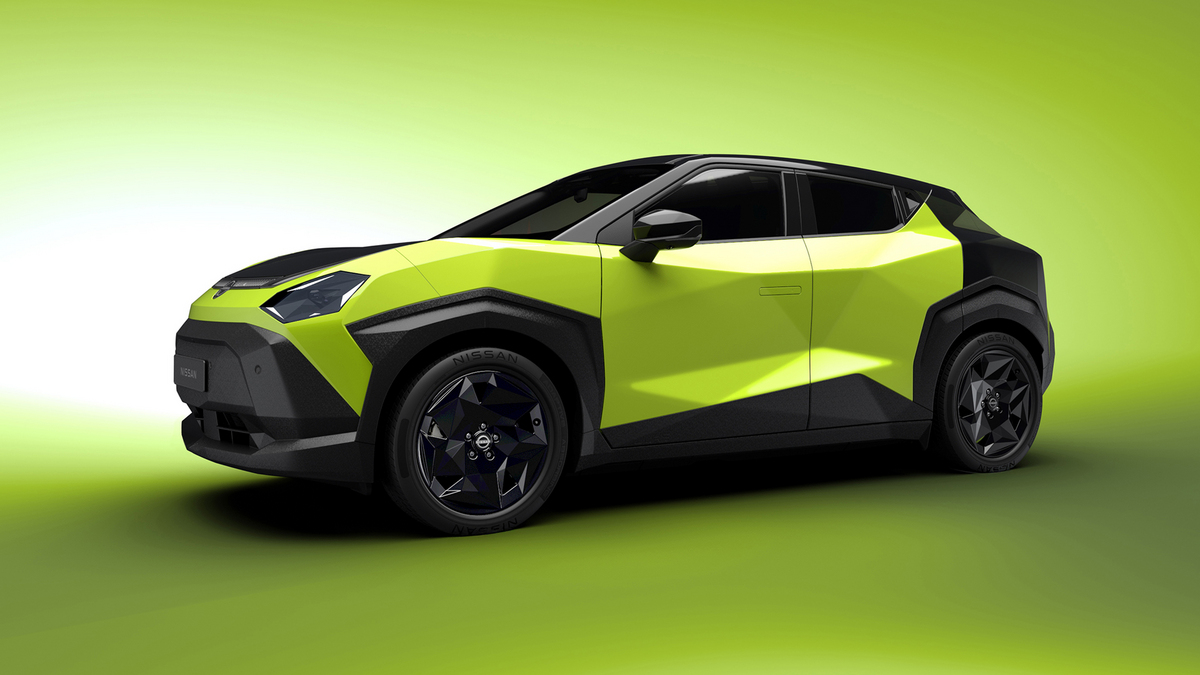
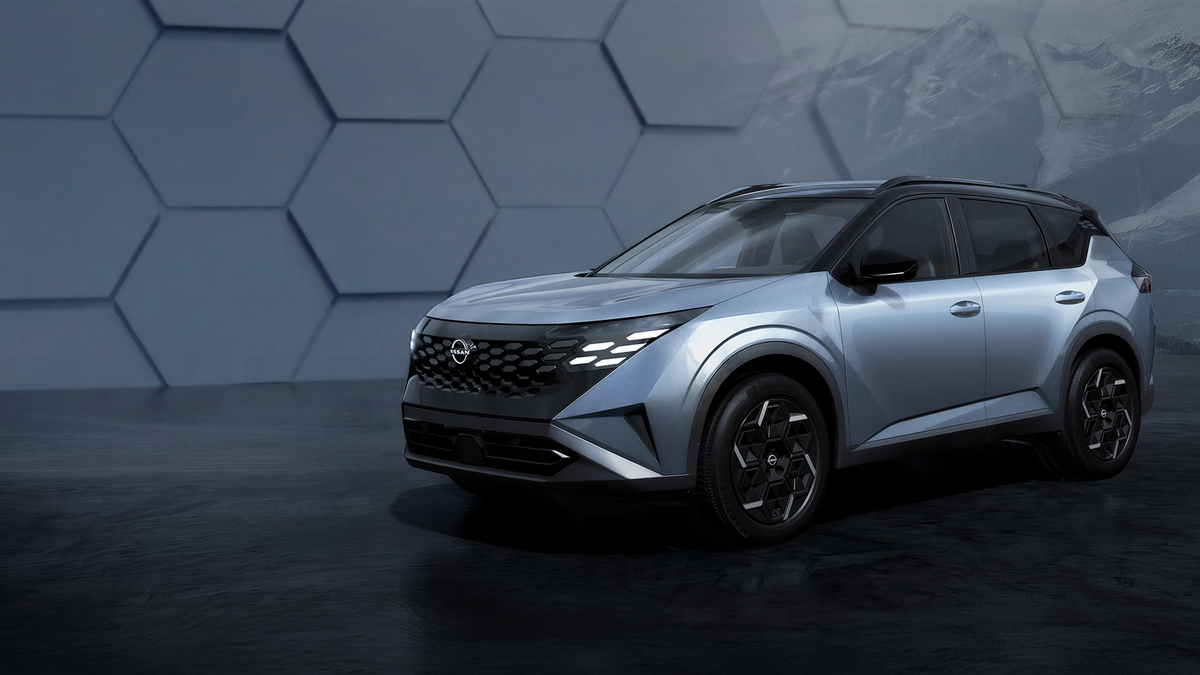
Several upcoming models highlight Nissan’s future direction across different segments:
- The next-generation Nissan X-Trail and Rogue will feature updated e-POWER hybrid systems, combining efficiency with strong performance
- A fully electric version of the Nissan Juke is set to bring bold design into the EV era
- The return of the Nissan Xterra will cater to off-road enthusiasts with rugged capability
- The iconic Nissan Skyline will continue to deliver performance and driving engagement
In the premium segment, INFINITI will also see a revival with a new wave of models, including SUVs and performance-focused sedans.
Smarter Production and Faster Development
Nissan is rethinking how it builds vehicles by shifting toward a platform-based development strategy. Instead of designing each model separately, the company will rely on shared architectures and technologies across multiple vehicles.
This will help:
- Reduce development time
- Improve cost efficiency
- Accelerate the rollout of new technologies
The goal is to make Nissan more agile and competitive in a rapidly evolving automotive landscape.
Focus on Key Global Markets
The company is also refining its global strategy, with three major markets playing a central role:
- Japan as a hub for innovation and advanced technologies
- United States as a key driver of volume and profitability
- China as a center for speed, cost efficiency, and exports
At the same time, regions like the Middle East and Mexico remain highly important, particularly for SUVs and larger vehicles where Nissan continues to perform strongly.
Nissan’s new vision reflects a clear shift toward technology-driven mobility, where AI, electrification, and connectivity redefine the ownership experience.
With a stronger focus on innovation and a more streamlined strategy, the brand is positioning itself for long-term growth while adapting to changing customer expectations.